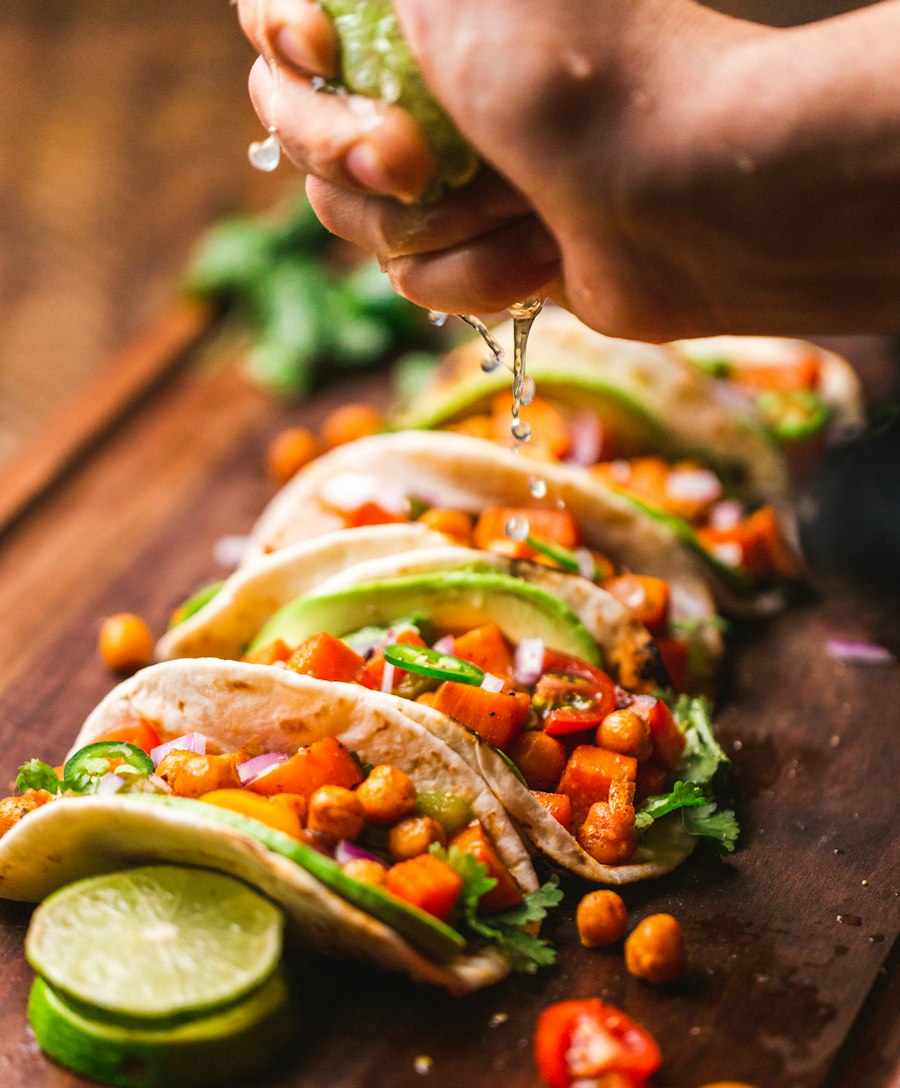
The Golden Wheat of the Northern Desert
While central and southern Mexico are the ancient heartland of corn, the arid northern states—Sonora, Chihuahua, Coahuila, and Sinaloa—revere the flour tortilla (*tortilla de harina*). Brought by Spanish settlers who cultivated wheat in the fertile river valleys of Sonora, flour tortillas evolved into an art form.
Authentic Sonoran tortillas bear zero resemblance to thick, rubbery, chemical-laden supermarket wraps. Real tortillas de harina are paper-thin, soft as fine linen, almost translucent, and freckled with delicate golden blisters from a screamingly hot comal.
The Sacred Trio: Flour, Lard, and Boiling Water
Mastery of the flour tortilla rests upon three pillars:
1. **High Quality Lard (*Manteca*):** Pure rendered pork lard (or high-grade beef tallow) coats the flour proteins, preventing excess gluten development and guaranteeing a tender, flaky crumb.
2. **Boiling Water:** Kneading the flour with very hot water gelatinizes wheat starches instantly, producing a soft, silky dough that stretches effortlessly.
3. **Patience and Resting:** After dividing into small balls (*testales*), the dough must rest covered for at least 30 to 45 minutes to allow the gluten network to fully relax.

Traditional Mexican kitchen flour workstation with rolled dough balls resting under cloth
The Rolling Technique
Using a small, slender rolling pin (*palote*), the testal is rolled from the center outward, rotating 45 degrees after each stroke until stretched into a translucent circle. Laid on a dry hot comal, it cooks in just thirty seconds per side.
Authentic Recipe & Kitchen Guide
Key Ingredients:
- 3 cups all-purpose flour (unbleached)
- 1 1/2 teaspoons kosher salt
- 1/3 cup high-quality rendered pork lard (manteca) or vegetable shortening
- 1 cup very hot water (near boiling, around 190°F / 88°C)
- A slender wooden rolling pin (palote)
Step-by-Step Preparation Instructions:
- In a large bowl, whisk together the flour and salt. Add the pork lard.
- Rub the lard into the flour with your fingertips for 2 minutes until the mixture resembles coarse meal with no large lumps.
- Pour in the hot water gradually, stirring with a fork until dough comes together.
- Turn dough onto a clean counter and knead for 4 to 5 minutes until smooth, supple, and elastic.
- Divide dough into 12 equal portions (about 1.8 ounces each). Roll into smooth round balls (testales).
- Place testales on a tray, cover with a damp kitchen towel or plastic wrap, and let rest undisturbed for 40 minutes at room temperature (crucial for easy rolling!).
- Heat a dry cast-iron skillet or comal over medium-high heat.
- Lightly dust a counter with flour. Roll one testal with your rolling pin, rolling from center outward and rotating a quarter turn after each roll, until paper-thin and 7 to 8 inches in diameter.
- Place tortilla on the hot comal. Cook for 20 to 30 seconds until bubbles puff across the surface and golden blisters appear underneath. Flip and cook 20 seconds on the other side.
- Stack inside a cloth-lined basket to keep warm, soft, and pliable.
Experience Authentic Flavor at Ranchito
Craving real comfort food? Visit our scratch kitchen in Morgan Hill to taste handmade pupusas, sizzling plancha street tacos, and regional Latin specialties made fresh daily.
Related Culinary Guides & Recipes:
Anatomy of the Perfect Street Taco: The Double Tortilla Rule
Why do authentic taquerias always serve street tacos on two small corn tortillas? Discover the physics of mois...
Taqueria Meat Cuts Cheat Sheet: How to Order with Confidence
From Asada and Pastor to Lengua, Buche, Tripita, and Cabeza: master every traditional meat cut on the taqueria...
Salsa Verde Asada: Fire-Roasted Tomatillo and Serrano Masterclass
Charring tart green husk tomatillos, pungent garlic, and serrano peppers on a dry comal unlocks smoky sweetnes...