A Tale of Two Cuisines
Mention 'horchata' in a Mexican taqueria and you will receive a pale, milky-white, refreshing iced drink made from soaked long-grain white rice, Mexican cinnamon, vanilla, and milk. But step into a Salvadoran home or restaurant, and the horchata that arrives in your glass is radically different: a deep nutty-brown, richly aromatic elixir with complex cocoa, sesame, and earthy botanicals.
While both share the ancestral Spanish name *horchata* (derived from the Valencian tiger nut beverage *orxata de xufes*), their ingredients reflect completely different culinary migrations.
The Magic of the Morro Seed
The heart of Salvadoran horchata is the seed of the morro tree (*Crescentia alata*), a gourd-like fruit native to the Pacific coastal lowlands of Central America. When cracked open, the fruit yields small, flat seeds packed with healthy fatty acids and intense nutty aromatic oils.
To prepare the horchata base, morro seeds are toasted in a clay comal alongside raw cacao beans, sesame seeds (*ajonjolí*), pumpkin seeds (*pepitas*), Mexican canela cinnamon, and allspice berries. The roasted mixture is ground into a silky, fragrant powder known throughout El Salvador as *harina de morro*.
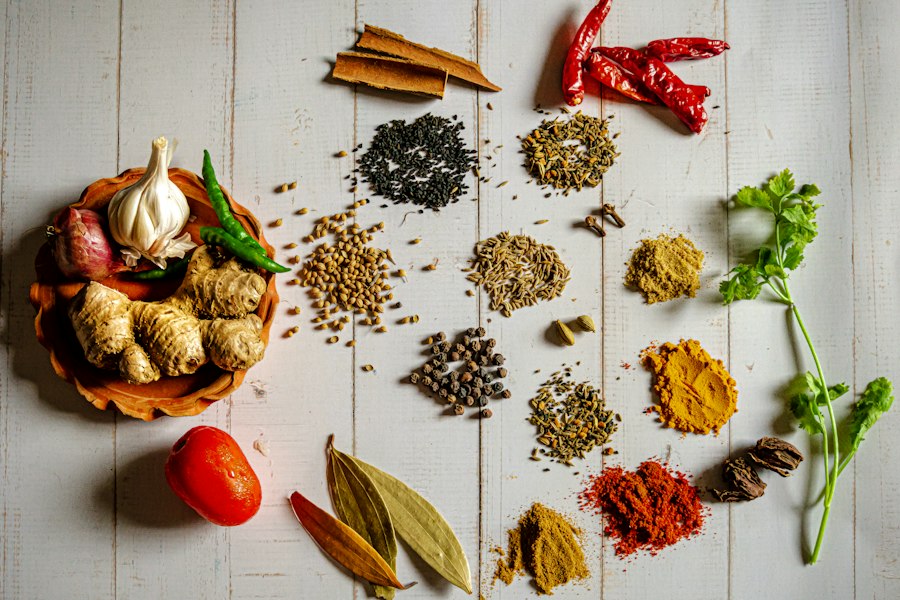
Toasted morro seeds, raw cocoa beans, and whole spices used in Salvadoran horchata
Flavor Profile and Health Properties
Salvadoran horchata tastes deeper and earthier than Mexican rice horchata. It carries undertones of dark chocolate, roasted sesame tahini, and warm winter spices. Historically, indigenous Mesoamericans valued morro seeds for their high zinc, magnesium, and restorative digestive properties.
Authentic Recipe & Kitchen Guide
Key Ingredients:
- 1 cup morro seeds (available at Central American markets or online)
- 1/2 cup white sesame seeds (ajonjolí)
- 1/2 cup raw pumpkin seeds (pepitas)
- 2 tablespoons raw cacao nibs or 1 small disk Mexican chocolate
- 2 whole Mexican cinnamon sticks (canela)
- 4 whole allspice berries
- 1/2 cup white rice (uncooked)
- 6 cups cold water
- 2 cups whole milk or evaporated milk
- 3/4 cup sugar or piloncillo syrup, to taste
- 1 teaspoon pure vanilla extract
- Crushed ice for serving
Step-by-Step Preparation Instructions:
- Toast the spices: In a large dry cast-iron skillet over medium heat, toast the raw rice, cinnamon sticks, and allspice for 3 minutes until lightly fragrant.
- Add the morro seeds, pumpkin seeds, and cacao nibs; toast for another 3 minutes, stirring constantly.
- Add the sesame seeds last (they burn quickly) and stir for 1 to 2 minutes until everything is evenly toasted and deeply aromatic. Remove from heat immediately and let cool.
- Grind the base: Transfer the cooled toasted mixture to a high-speed blender or spice mill. Grind into a very fine, aromatic powder.
- Blend with liquid: Add 3 cups of the water to the blender. Blend on high speed for 2 minutes to emulsify the oils.
- Strain: Pour the mixture through a very fine mesh sieve or nut milk bag into a large pitcher, pressing firmly to extract all rich liquid.
- Combine: Stir in the remaining 3 cups of water, milk, sugar, and vanilla extract until sugar dissolves completely.
- Serve: Fill tall glasses with crushed ice and pour cold horchata over the top. Garnish with a sprinkle of ground cinnamon.
Experience Authentic Flavor at Ranchito
Craving real comfort food? Visit our scratch kitchen in Morgan Hill to taste handmade pupusas, sizzling plancha street tacos, and regional Latin specialties made fresh daily.
Related Culinary Guides & Recipes:
Kolashanpan: The Story of El Salvador's Iconic Sugarcane Soda
Vibrant orange, carbonated, and infused with sugarcane vanilla notes, Kolashanpan is the national soda of El S...
Enchiladas Salvadoreñas: The Crispy Flat Tortilla Street Masterpiece
Completely different from rolled Mexican enchiladas, Salvadoran enchiladas are small, crispy fried tortillas t...
Pupusas de Arroz: The Gluten-Free Rice Flour Tradition of Olocuilta
Learn how a post-war shortage in the town of Olocuilta gave birth to delicate, crisp rice-flour pupusas that h...