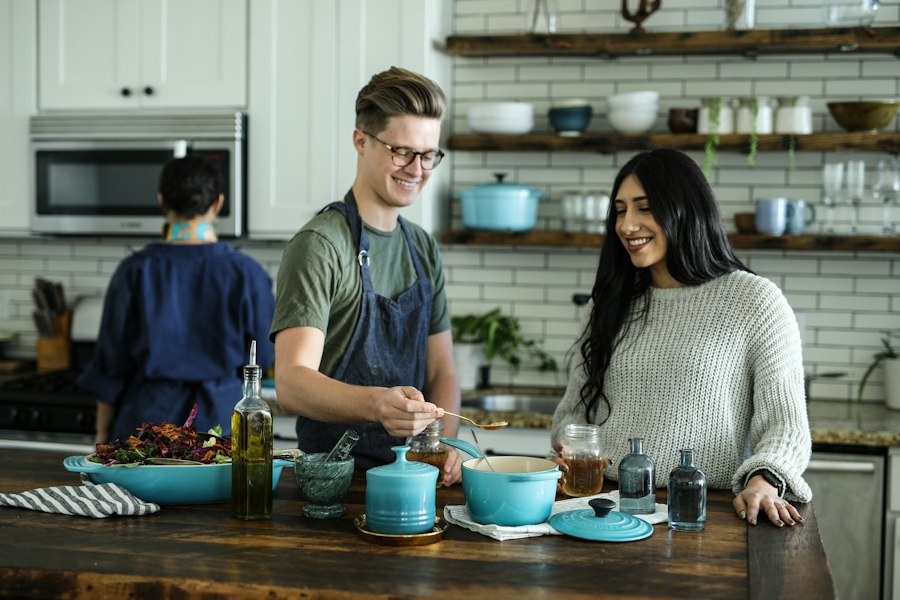
The Engine of the Latin Kitchen
Behind the counter of every authentic Mexican taqueria and Salvadoran pupusería stands the *plancha*—a massive, polished half-inch-thick steel griddle that serves as the engine of the restaurant. Understanding the plancha explains why restaurant food tastes distinctly superior to home cooking.
A heavy steel plancha provides immense thermal mass. When cold meats or raw pupusas hit the surface, the temperature never drops. This triggers immediate Maillard reaction caramelization, locking in interior juices while blistering the exterior.
Mastering Temperature Zones
Professional chefs utilize the plancha's natural heat zones: the center directly over the high burners reaches 450°F to 500°F for flash-searing meats and tortillas, while the outer perimeter hovers around 300°F for gently cooking pupusas through to their molten cheese centers without scorching.
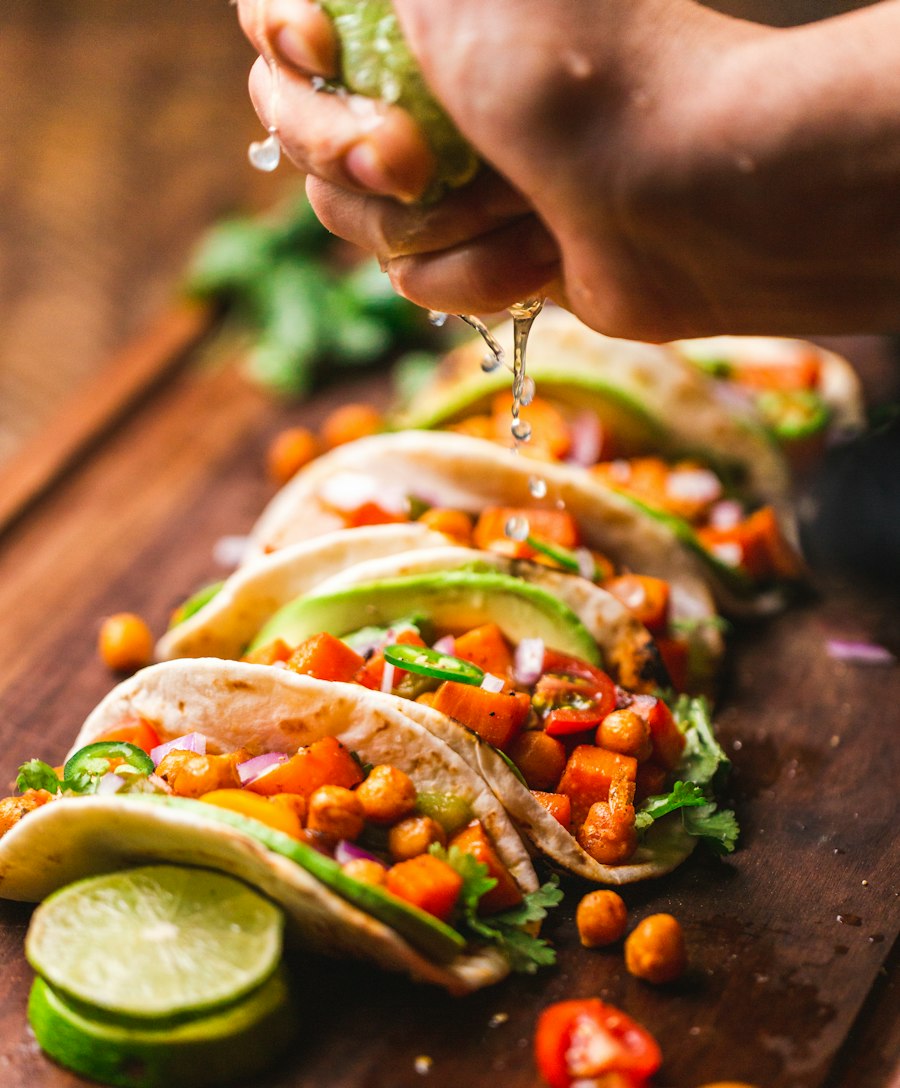
Freshly griddled street food showing the distinctive caramelization from the plancha
Authentic Recipe & Kitchen Guide
Key Ingredients:
- Heavy cast-iron griddle or flat-top comal
- High-smoke-point oil (avocado or canola oil)
- Taco meats, tortillas, or pupusa masa
Step-by-Step Preparation Instructions:
- Preheat your cast-iron griddle over medium-high heat for a full 10 to 15 minutes before cooking so the metal is deeply saturated with heat.
- Establish a two-zone setup by placing one side over a high flame and the other over low heat.
- Use the hot side for searing meats and toasting tortillas; use the cooler side for melting cheese and resting food.
Experience Authentic Flavor at Ranchito
Craving real comfort food? Visit our scratch kitchen in Morgan Hill to taste handmade pupusas, sizzling plancha street tacos, and regional Latin specialties made fresh daily.
Related Culinary Guides & Recipes:
Spice Levels Explained: From Mild Poblano to Fiery Orange Habanero
Demystifying Scoville heat units for restaurant diners: how to navigate mild tomatillo, medium jalapeño, hot c...
From Central America to the Bay: Salvadoran Food in Northern California
How families fleeing the civil war in the 1980s enriched the San Francisco Bay Area and Santa Clara Valley, tr...
Behind the Scenes: A Day in the Scratch Kitchen at Ranchito Morgan Hill
Step inside our kitchen at 6:00 AM: slow-simmering pork carnitas in copper pots, mixing fresh corn masa, boili...