The Ancient Root of Central American Tables
Cassava root, known throughout Latin America as yuca (*Manihot esculenta*), has sustained civilizations in tropical America for thousands of years. In El Salvador, yuca holds an esteemed culinary status, served boiled (*sancochada*) or fried (*frita*), almost always crowned with mountains of crisp curtido, savory tomato salsa, and freshly fried pork chicharrón or *pescaditas* (crispy baby fried fish).
Yuca frita con chicharrón represents the pinnacle of textural contrast: the exterior of the yuca fries into a delicate, lace-like crispy crust, giving way to an interior as fluffy and starchy as the finest baked potato, topped with the rich, crackling crunch of seasoned pork.
The Two-Step Cooking Method
You cannot simply slice raw yuca and drop it into hot frying oil—doing so produces a tough, dry, woody texture. Authentic preparation requires a two-step cooking technique.
First, fresh yuca must be peeled thickly to remove both the waxy brown bark and the pinkish inner cambium layer. It is cut into batons and boiled in well-salted water with smashed garlic cloves until fork-tender and beginning to open up along its natural grain lines.
Only after cooling and drying thoroughly is the boiled yuca submerged in hot oil (around 365°F / 185°C). The surface starches blister rapidly into a crunchy golden shell while preserving the tender, steamy center.
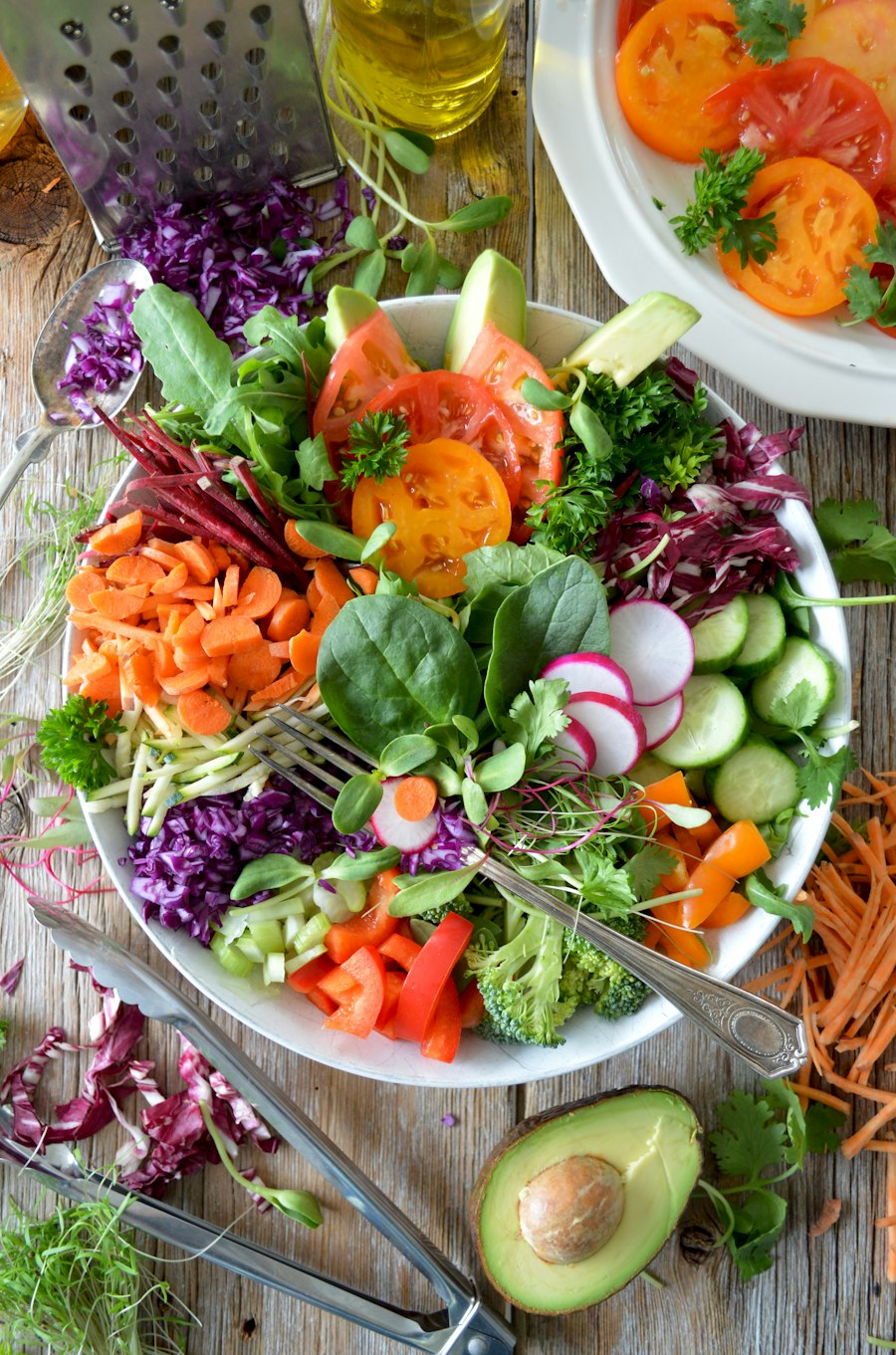
Fresh curtido ready to be piled on top of fried yuca root
Serving the Central American Platter
In traditional Salvadoran markets, yuca frita is served on a wide banana leaf. A generous foundation of steaming yuca is blanketed with chilled curtido, followed by golden chunks of chicharrón, fresh radishes, cucumber slices, and a spoonful of warm salsa roja.
At Ranchito in Morgan Hill, our yuca frita platter is a beloved weekend favorite among families gathering for lunch.
Authentic Recipe & Kitchen Guide
Key Ingredients:
- 2 pounds fresh yuca root (or high quality frozen yuca)
- 4 cloves garlic, smashed
- 1 tablespoon sea salt (for boiling water)
- Vegetable or peanut oil for deep frying (about 4 cups)
- 1 pound cooked pork carnitas or crispy pork belly chunks (chicharrón)
- 2 cups homemade Salvadoran curtido
- 1 cup warm tomato pupusa salsa
- Thinly sliced radishes and cucumbers for garnish
Step-by-Step Preparation Instructions:
- Peel the yuca root thoroughly with a sharp chef's knife, removing both the tough outer bark and the pinkish-white inner skin. Cut into 3-inch long batons.
- Place the yuca pieces in a large pot and cover with cold water by 2 inches. Add smashed garlic cloves and 1 tablespoon of salt.
- Bring to a boil over high heat, then reduce to medium and simmer for 20 to 25 minutes until the yuca is tender and pierced easily with a fork. Do not let it turn into mush.
- Drain thoroughly and spread onto a wire rack to cool and air-dry for at least 15 minutes. Once cool, remove any tough woody fibrous core running down the center of each baton.
- Heat 3 inches of vegetable oil in a deep cast-iron skillet or Dutch oven to 365°F (185°C).
- Fry the yuca batons in batches for 5 to 6 minutes, turning occasionally, until the exterior is golden, blistered, and crunchy. Remove with a slotted spider and drain on paper towels; sprinkle immediately with salt.
- Arrange hot fried yuca on a serving platter. Heap generously with chilled curtido, crown with crispy warm chicharrón chunks, and drizzle with warm salsa roja.
Experience Authentic Flavor at Ranchito
Craving real comfort food? Visit our scratch kitchen in Morgan Hill to taste handmade pupusas, sizzling plancha street tacos, and regional Latin specialties made fresh daily.
Related Culinary Guides & Recipes:
Plátanos Maduros Fritos: Sweet Plantains with Crema and Refried Beans
The quintessential Salvadoran comfort dish: deeply caramelized sweet ripe plantains paired with silky refried ...
Pastelitos de Carne: Crispy Salvadoran Corn Masa Turnovers
Golden, achiote-tinted corn masa pockets stuffed with seasoned minced beef, potatoes, and vegetables, fried un...
Tamales Salvadoreños: The Banana Leaf and Masa Colada Tradition
Discover why Salvadoran tamales are uniquely silky, soft, and moist compared to Mexican corn-husk tamales, and...