The Ancient Flower of Mesoamerica
Before European settlers arrived in the fertile valleys of Central America, indigenous Pipil and Maya communities had long harvested the delicate green floral buds of the loroco vine (*Fernaldia pandurata*). Thriving in the warm, humid lowlands of El Salvador, Honduras, and Guatemala, this resilient perennial vine produces clusters of unopened pale green flower buds packed with an aromatic intensity found nowhere else in world cuisine.
Describing the flavor of fresh loroco to the uninitiated is an exercise in culinary poetry. It carries an earthy, herbal, and slightly pungent profile that bridges green asparagus, artichoke hearts, young snow peas, and faint hints of chives, underpinned by a floral sweetness that softens when cooked.
Why Loroco and Quesillo Are a Match Made in Heaven
While loroco appears in Salvadoran chicken stews (*pollo con loroco*), rice pilafs, and scrambled egg breakfasts, its undisputed soulmate is cheese. When combined with mild Salvadoran quesillo or fresh cuajada, the natural oils inside the flower buds infuse into the molten cheese as it heats on the griddle.
The fat of the cheese tempers the slightly bitter, verdant edge of the raw blossom, transforming it into a rich, savory filling that perfumes the entire dining room as soon as the pupusa is pulled apart.
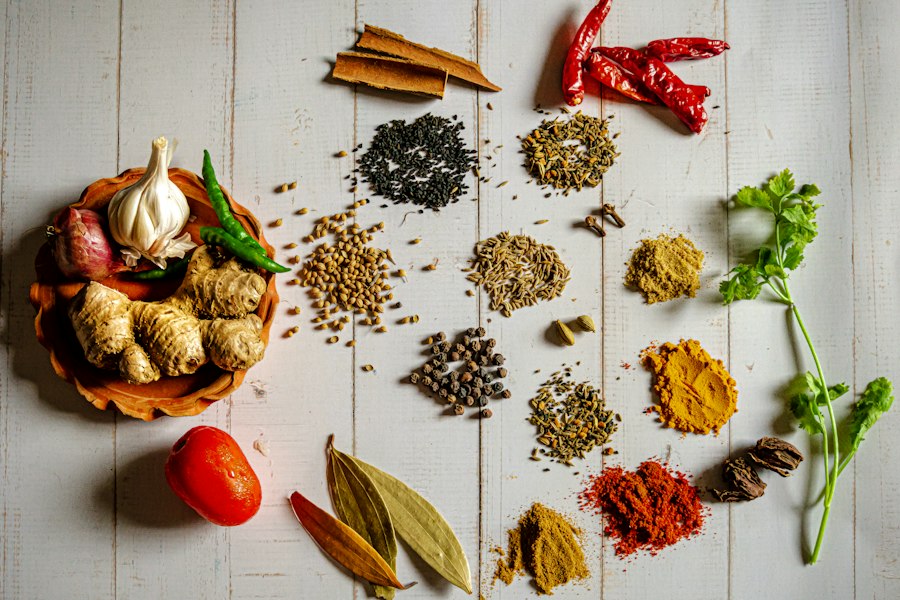
Traditional Central American aromatic herbs and green botanical ingredients
From Farm to Comal: Handling and Sourcing
Fresh loroco is harvested early in the morning when the buds are tightly closed and vibrant green. Once opened, the flowers lose their signature crispness and delicate perfume. For Salvadorans living in California and the United States, importing flash-frozen or brined buds was once the only option; today, agricultural micro-farms in the Central Valley cultivate fresh loroco during the summer months.
At Ranchito in Morgan Hill, we carefully inspect and hand-clean every batch of loroco buds, removing woody stems and ensuring only the tender blossoms make their way into our scratch-made quesillo fillings.
Authentic Recipe & Kitchen Guide
Key Ingredients:
- 1 cup fresh or thawed frozen loroco buds, finely chopped
- 2 cups shredded Salvadoran quesillo or Monterey Jack cheese
- 2 tablespoons Salvadoran crema or heavy cream
- 1/4 teaspoon garlic powder or finely minced fresh garlic
- Pinch of sea salt
- 2 cups masa harina mixed with 1 3/4 cups warm water
Step-by-Step Preparation Instructions:
- Rinse loroco buds gently in cold water and pat thoroughly dry with paper towels. Pick through to remove any tough, thick stem ends.
- Roughly chop the buds into small confetti-sized bits. Do not puree—the texture of the tiny petals should remain distinct.
- In a medium bowl, knead together the chopped loroco, shredded cheese, crema, garlic powder, and a pinch of salt until it forms a cohesive, pliable paste.
- Form the corn masa into 2-ounce spheres, cup with oiled hands, stuff with 2 heaping tablespoons of the loroco cheese mixture, and seal carefully.
- Pat into 5-inch discs and cook on a hot cast-iron plancha for 3 to 4 minutes per side until golden spots appear and molten cheese begins to caramelize slightly at the edge.
Experience Authentic Flavor at Ranchito
Craving real comfort food? Visit our scratch kitchen in Morgan Hill to taste handmade pupusas, sizzling plancha street tacos, and regional Latin specialties made fresh daily.
Related Culinary Guides & Recipes:
Authentic Salvadoran Curtido: The Science of Tangy Fermented Cabbage Slaw
No pupusa is complete without curtido. Discover the precise balance of crisp green cabbage, carrots, Mexican o...
Salsa Roja Para Pupusas: The Smooth, Cooked Salvadoran Tomato Sauce
Unlike fiery Mexican table salsas, Salvadoran salsa para pupusas is warm, mild, silky, and seasoned with sweet...
Yuca Frita con Chicharrón: El Salvador's Crispy Street Food Feast
Explore how tender cassava root is boiled with garlic, fried until shattering and golden, and topped with succ...